Healthy Eating During Pregnancy: Essential Food Tips for Moms-to-Be
Healthy Eating During Pregnancy: Essential Food Tips for Moms-to-Be
Pregnancy is an exciting time when your body needs extra nourishment to support both you and your growing baby. Eating a balanced diet can help provide important nutrients for your energy, overall health, and your baby’s development. You don't need a complicated diet—choosing a variety of nutritious foods every day can make a big difference.
1. Include Plenty of Fruits and Vegetables
Fruits and vegetables provide vitamins, minerals, fiber, and antioxidants. Try to include a colorful variety throughout the day, such as oranges, apples, bananas, berries, carrots, spinach, broccoli, and other seasonal vegetables.
Wash fresh produce thoroughly before eating.
2. Choose Protein-Rich Foods
Protein is an important part of a healthy pregnancy diet. Good options include well-cooked eggs, beans, lentils, peas, nuts, seeds, dairy products, poultry, and properly cooked fish or meat.
Vegetarian mothers can combine foods such as lentils, beans, dairy, nuts, and whole grains to include a variety of protein sources.
3. Don't Forget Calcium-Rich Foods
Calcium supports your baby's developing bones and teeth. Milk, yogurt, cheese, and calcium-fortified foods can be useful sources. If you avoid dairy products, ask your healthcare professional about suitable alternatives.
4. Choose Whole Grains
Whole grains can provide carbohydrates, fiber, vitamins, and minerals. Consider foods such as oats, brown rice, whole-wheat bread, quinoa, and other whole-grain options.
They can also help you maintain a satisfying and balanced diet.
5. Stay Hydrated
Drinking enough fluids is important during pregnancy. Water should be your main drink throughout the day. You may need more fluids depending on the weather, activity level, and advice from your healthcare professional.
Limiting sugary drinks can also help you make healthier choices.
6. Be Careful About Food Safety
During pregnancy, food safety becomes especially important. Avoid raw or undercooked meat, eggs, and seafood, and choose pasteurized milk and dairy products. Wash fruits and vegetables carefully and prevent cross-contamination when preparing food.
Pregnant women should also follow current medical guidance regarding foods that may contain higher levels of mercury or other contaminants.
7. Take Prenatal Supplements as Recommended
A balanced diet is important, but pregnancy can increase the need for certain nutrients, including folic acid, iron, and iodine. Your doctor or midwife may recommend a prenatal vitamin or specific supplements based on your individual needs.
Do not start or stop supplements without discussing them with your healthcare professional.
Final Thoughts
Healthy eating during pregnancy is about balance, variety, and food safety—not perfection. Include plenty of fruits and vegetables, protein-rich foods, whole grains, and calcium-rich foods while staying hydrated and following your healthcare provider's recommendations.
Every pregnancy is different, so speak with your doctor, midwife, or qualified dietitian for personalized nutritional advice, especially if you have dietary restrictions or a medical condition.
Related Blogs

7 Foods That May Help Support Healthy Blood Sugar
Maintaining healthy blood sugar is an important part of overall health. The foods we eat can influence how our bodies process glucose and
2026-10-01 SEE MORE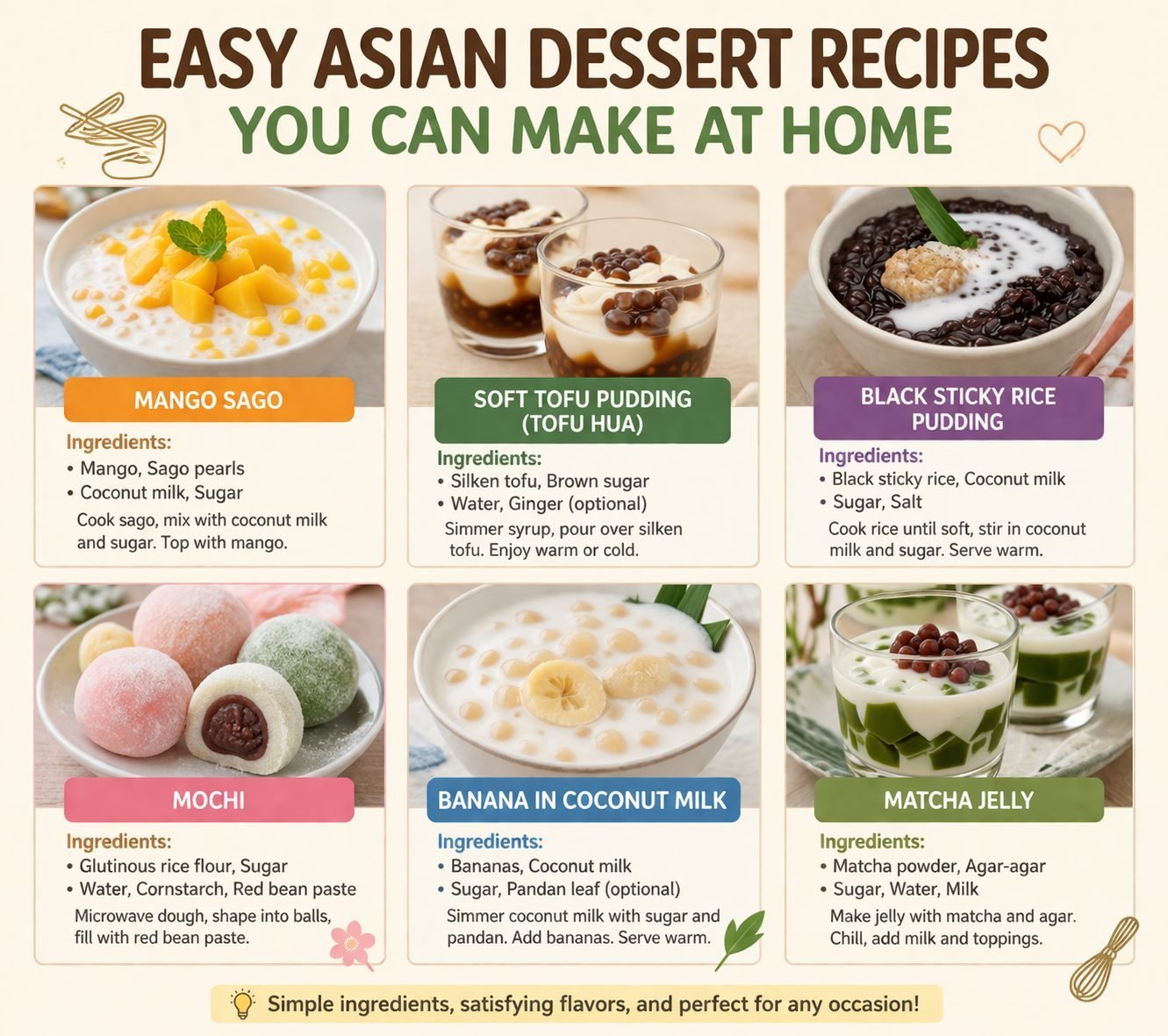
Easy Asian Dessert Recipes to Make at Home | Delicious Asian Sweets
Easy Asian Dessert Recipes You Can Make at Home
Asian desserts are loved around the world for their unique
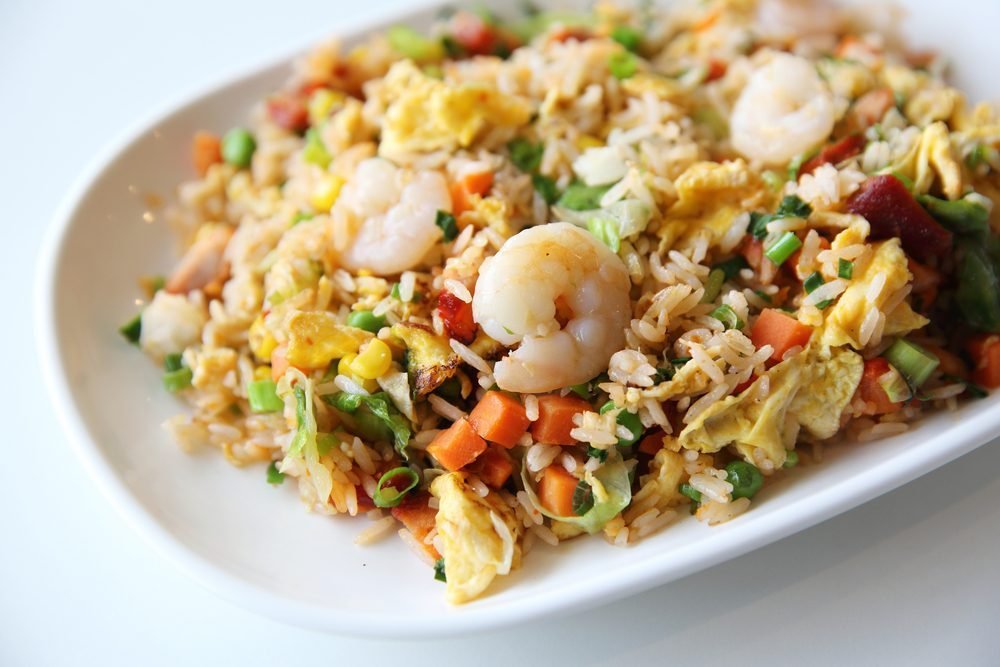
The Evolution of Street Food Around the World
Creating the perfect menu for your restaurant is more than just listing food items; it's about crafting an experience for your customers. Yo
2025-02-09 SEE MOREPost-Fracture Diet for Faster Healing: Can Good Nutrition Help with Bone Healing?
Post-Fracture Diet for Faster Healing: Can Good Nutrition Help with Bone Healing?
Recovering from a fracture takes t
2026-10-06 SEE MORE