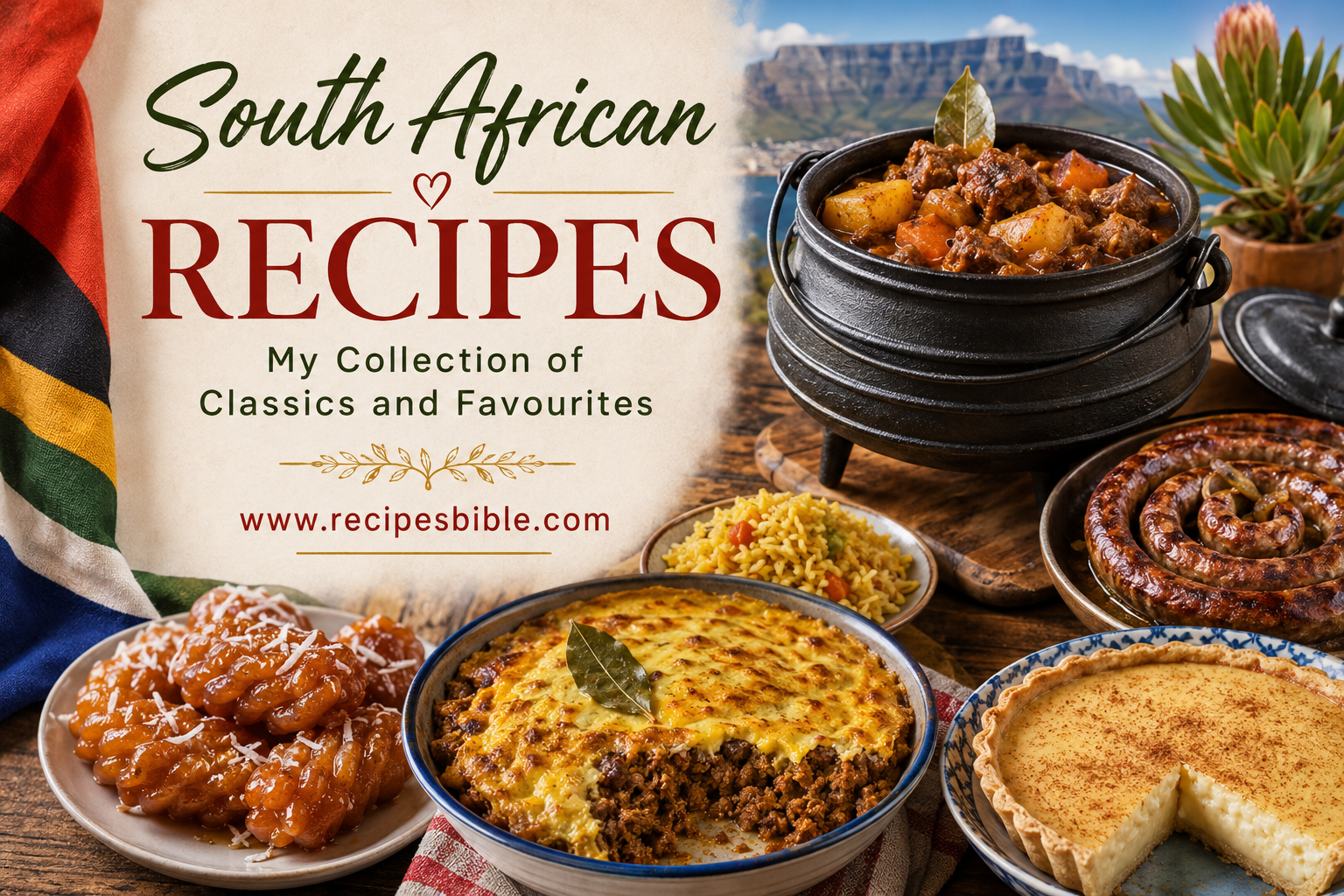
South African Recipes: My Collection of Classics and Favourites
South African Recipes: My Collection of Classics and Favourites
South Africa has one of the most complex and layered food cultures in the world. Every recipe tells a story shaped by migration, tradition, trade, and family heritage. From smoky braais and hearty Afrikaans dishes to fragrant Cape Malay curries and spicy Indian-inspired street food, South African cuisine is a celebration of diversity on every plate.
Food in South Africa is more than just nourishment. It is about gathering around the fire, sharing meals with family, and preserving traditions passed down through generations. Whether you are tasting a perfectly grilled boerewors roll, a comforting bowl of bobotie, or sweet koeksisters with tea, each dish reflects the country’s rich cultural identity.
The Rich Heritage of South African Cuisine
South African food combines influences from indigenous African communities, Dutch settlers, Malay slaves brought to the Cape, Indian labourers, and European immigrants. These culinary traditions blended together over centuries to create flavours unlike anywhere else in the world.
Some of the most beloved elements of South African cooking include:
- Slow-cooked stews full of bold spices
- Flame-grilled meats cooked over open coals
- Fresh breads and baked treats
- Chutneys, sambals, and spicy relishes
- Traditional maize dishes such as pap
- Seafood along the coastal regions
Every region in South Africa has its own specialties and cooking traditions, making the country a paradise for food lovers.
Traditional South African Dishes You Must Try
Bobotie
Bobotie is one of South Africa’s most iconic comfort foods. Made with spiced minced meat baked under a creamy egg topping, it combines sweet and savoury flavours beautifully. Often served with yellow rice, raisins, and chutney, this Cape Malay classic remains a favourite in many households.
Boerewors
Boerewors is a traditional South African sausage known for its rich flavour and coarse texture. It is commonly cooked during a braai and served in rolls with tomato relish or mustard.
Bunny Chow
Originally created in Durban, bunny chow consists of a hollowed-out loaf of bread filled with spicy curry. It reflects the strong Indian influence on South African cuisine and is loved for its bold taste and satisfying portions.
Pap and Chakalaka
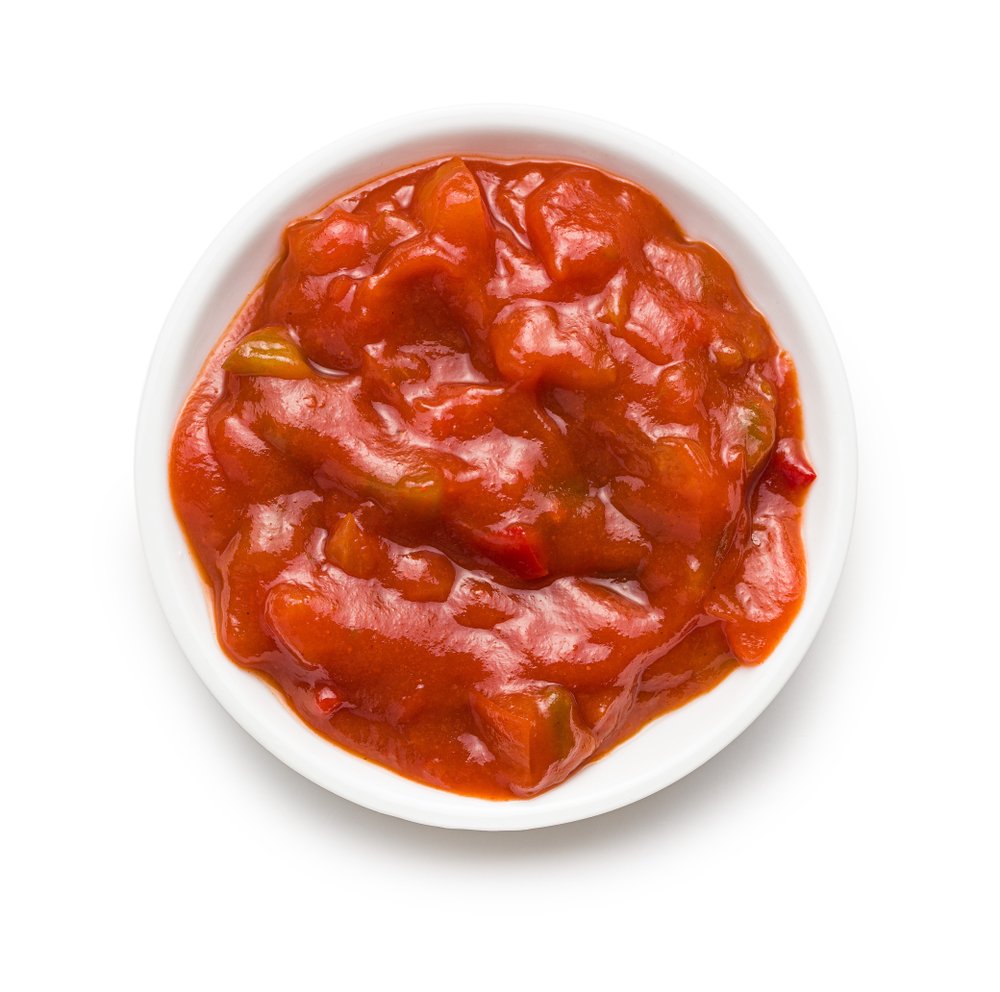
Pap, made from maize meal, is a staple food across South Africa. It is often paired with chakalaka, a spicy vegetable relish made with beans, peppers, carrots, and spices.
Malva Pudding
No South African dessert collection is complete without malva pudding. This warm sponge dessert is sweet, sticky, and usually served with custard or cream.
The Importance of the Braai Culture
In South Africa, a braai is more than simply cooking meat outdoors. It is a deeply rooted social tradition that brings people together. Families and friends gather around open flames to cook meat, share stories, and enjoy time together.
Unlike many barbecues around the world, a braai focuses heavily on wood or charcoal fires rather than gas grilling. The smoky flavour created by real coals is considered essential to authentic South African outdoor cooking.
Popular braai foods include:
- Boerewors sausages
- Lamb chops
- Steak
- Chicken wings
- Grilled seafood
- Braaibroodjies (toasted sandwiches cooked over the fire)
A braai often lasts for hours and becomes a full social experience rather than just a meal.
Cape Malay Cuisine: Sweet, Spiced, and Fragrant
Cape Malay cooking is one of the most unique parts of South African food culture. Influenced by Southeast Asian and African traditions, these dishes are known for aromatic spices such as turmeric, cinnamon, cardamom, and cloves.
Popular Cape Malay dishes include:
- Bobotie
- Chicken curry
- Samoosas
- Denningvleis (slow-cooked lamb stew)
- Koeksisters
The balance between sweet and savoury flavours makes Cape Malay cuisine unforgettable.
Indian Influence on South African Food
South Africa’s Indian community, especially in Durban, introduced vibrant curries, spice blends, and street foods that became part of the national cuisine. Durban curry is especially famous for its heat and deep flavour.
Spices such as cumin, coriander, turmeric, and masala are widely used in South African Indian cooking, creating dishes that are rich, comforting, and full of character.
Why South African Food Stands Out
What makes South African cuisine truly special is its diversity. Very few countries combine so many cultural influences into one national food identity. Meals are often hearty, flavourful, and designed to be shared.
South African cooking celebrates:
- Community and hospitality
- Bold spices and smoky flavours
- Traditional cooking methods
- Family recipes passed through generations
- Fusion between cultures and cuisines
FAQs About South African Food
What is traditional South African food?
Traditional South African food includes dishes such as bobotie, boerewors, pap, chakalaka, bunny chow, and malva pudding. These foods reflect the country’s multicultural history and regional influences.
What is a braai and how is it different from a barbecue?
A braai is a South African style of outdoor cooking over wood or charcoal flames. While similar to a barbecue, a braai is considered a cultural tradition and social gathering experience rather than simply grilling food.
Is South African food spicy?
Some South African dishes are spicy, especially those influenced by Indian and Cape Malay cuisine. However, many traditional dishes focus more on rich flavour and aromatic spices rather than intense heat.
What dessert is South Africa famous for?
South Africa is famous for desserts such as malva pudding, koeksisters, milk tart, and peppermint crisp tart.
Final Thoughts
South African cuisine is a beautiful reflection of history, culture, and togetherness. Whether you are exploring smoky braai favourites, comforting family stews, or spicy Durban curries, every meal offers something memorable.
This collection of South African classics and favourites is more than a recipe journey — it is an invitation to experience one of the world’s richest culinary traditions through flavour, warmth, and community.
Related Blogs
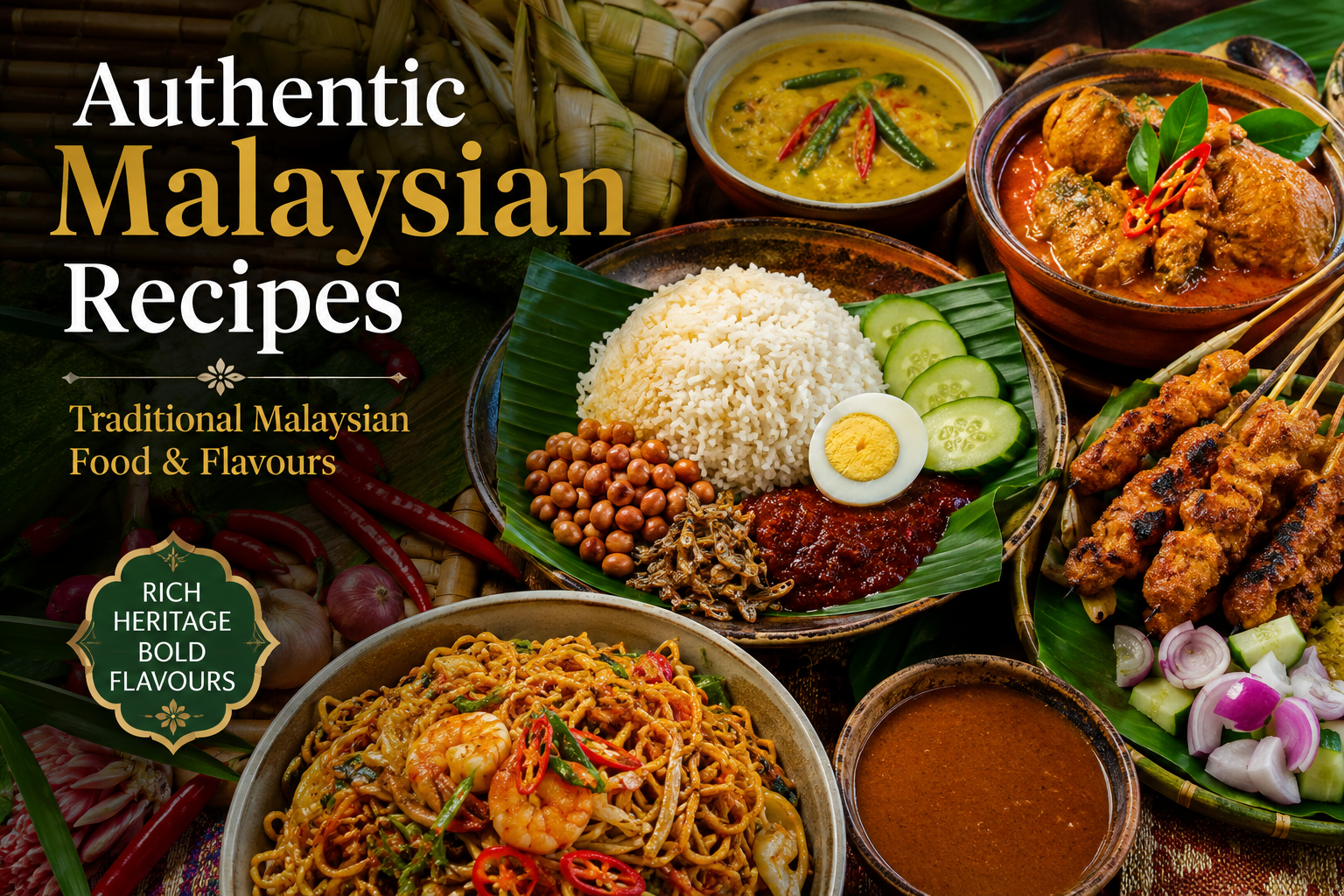
Malaysian Recipes – A Flavorful Journey Through Malaysia’s Cuisine
Malaysian Recipes – A Flavorful Journey Through Malaysia’s Cuisine
Cook yourself up an incredible feast usin
2026-05-28 SEE MORE
Why Indian Samosas Are Loved All Over the World
ndian samosas are one of the most popular and beloved snacks across the globe. These crispy, golden, triangular pastries filled with flav
2026-03-23 SEE MORE
South African Recipes: My Collection of Classics and Favourites
South African Recipes: My Collection of Classics and Favourites
South Africa has one of the most complex and layered food

20+ Delicious Vegetarian Soup Recipes for Healthy Eating
Vegetarian soups are the ultimate comfort food—nourishing, flavorful, and perfect for any season. Whether you’re craving something li
2026-02-19 SEE MORE